The opening episode of season three of Gameday by NJF Holdings of Rayde Baez, former Senior Strategic Advisor at EuroLeague Basketball and founder of sports business consultancy The Connect, and Kike Levy discuss how Europe’s basketball growth is going to be driven by infrastructure, not hype.
Baez and Levy challenge how commentators typically frame the NBA’s push into Europe – around franchises, cities and headline valuations, arguing that European basketball will not secure its next phase of growth on the court alone. Arena infrastructure, operating models and the ability to generate year-round commercial value will decide the outcome, Baez explains.
Baez puts it bluntly: a league cannot justify multi-hundred-million-dollar franchise valuations on forty game nights a year. Without year-round venue utilisation, the economics fail.
In the United States, scarcity and centralisation underpin franchise values. Thirty NBA teams operate within a single market under a unified commercial system that controls media rights, sponsorships, uniforms and data. This structure creates operating leverage and valuation clarity.
Europe operates differently. Fragmented markets dominate the landscape. Clubs often run multiple sports. Football contracts constrain basketball intellectual property. Sponsorship activation varies widely by country. Language even complicates matters, for example, EuroLeague broadcasts in English, despite English not being the official language in any of its core markets.
This structural complexity does not weaken European basketball, but it does impose what Baez describes as a “complexity discount” – a valuation reduction of roughly 40-60% compared to equivalent US assets – on European sports assets. That discount explains why US valuation logic does not transfer neatly across the Atlantic.
Investors cannot freely monetise Real Madrid’s basketball jersey when a football-led Adidas deal bundles it. Nor can they expect the same commercial leverage in Athens, Belgrade or Kaunas as in London or Paris, even when fan passion in those cities far exceeds that of wealthier markets.
Fan culture sits at the heart of this tension. Baez captured it succinctly:
“You won’t be able to economically leverage Belgrade as a market, but you need the Belgrade teams to build the product“
— Rayde Baez, former Senior Strategic Advisor at EuroLeague Basketball, Gameday Podcast Season 3 Episode 1
Cities such as Belgrade, Athens and Istanbul supply the emotional engine of European basketball. They rarely anchor balance sheets, but they define identity, atmosphere and broadcast value. London, Paris and Munich fund the ecosystem. Southern Europe and the Balkans give it soul.
League operators therefore face a delicate balancing act. Chase only the richest cities and the product risks becoming sanitised. Focus solely on traditional hotbeds and the commercial ceiling remains low.
The winning strategy combines both approaches. Successful leagues monetise premium markets while protecting the authenticity that makes European basketball compelling. This shift moves the industry away from simple league ownership towards sophisticated league-level operating platforms.
What the NBA’s real strategy reveals about European growth: Investors should view the NBA’s arrival in Europe through this lens. The greatest risk does not lie in a lack of attention, but in misjudging how fandom forms. Dropping a famous brand into a major city does not automatically create basketball supporters.
Barcelona and Real Madrid are exceptions because they built decades of basketball heritage. Manchester has not. Growth remains possible, but it demands patient capital, cultural investment and a willingness to think in decades rather than quarters.
The NBA does hold an advantage in how it now positions itself. The organisation increasingly operates as a league operator rather than a single competition. From the NBA and G League, to the WNBA, the Basketball Africa League, and global grassroots programmes, it exports an operating system. Europe likely represents one node in a broader platform strategy rather than the endgame.
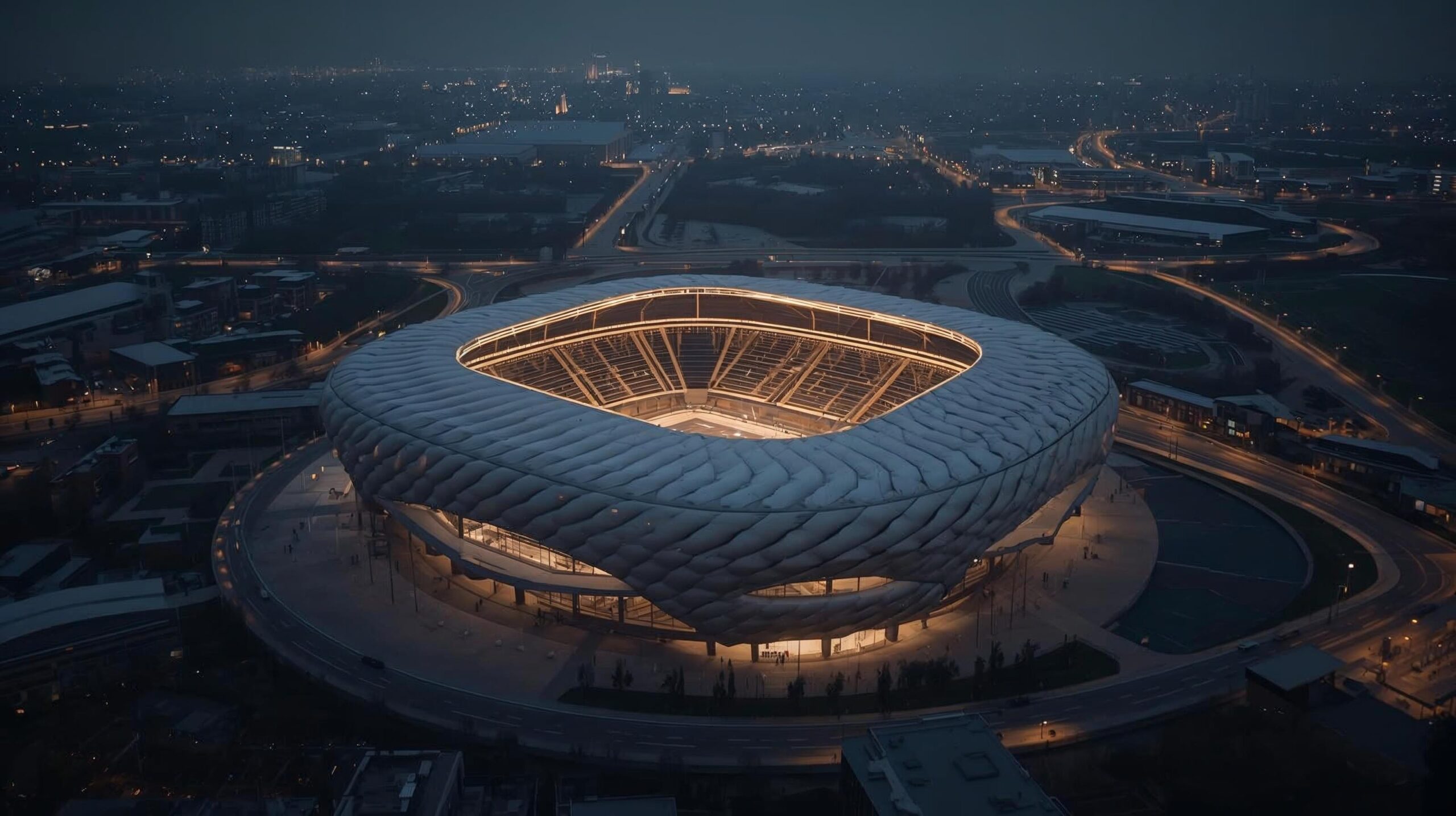
Even the most advanced operating system, however, depends on physical infrastructure. Without modern, multi-use arenas that generate revenue throughout the year, franchise valuations struggle to hold. Venues matter more than logos. Valencia’s Roig Arena, widely regarded as Europe’s leading basketball venue, offers a glimpse of what the future could look like. Arena quality and utilisation ultimately dictate economic viability.
There is a clear conclusion for investors. European basketball has entered an infrastructure-led phase rather than a purely rights-led one. The next wave of value creation will favour those who understand arena economics, operating leverage and long-term platform building.
In a complex market, investors will not win by chasing the loudest headlines or the highest initial valuations. They will win by allocating capital patiently, building durable infrastructure and allowing culture and fandom to compound over time.
Instagram: @gamedaysports
TikTok: @gamedaysports_
Spotify: https://open.spotify.com/show/4QfrukA…
LinkedIn: gamedaysportsmedia
Apple Podcast: https://podcasts.apple.com/es/podcast/gameday-by-njf-holdings